
Melanotan II is a synthetic peptide that interacts with melanocortin receptors, which are involved in regulating skin pigmentation, appetite, and certain neurological responses.
Melanotan II is a synthetic peptide that interacts with melanocortin receptors, which are involved in regulating skin pigmentation, appetite, and certain neurological responses. It is most commonly associated with stimulating melanin production, which can influence how the skin responds to UV exposure.
In addition to its effects on pigmentation, Melanotan II has been observed to interact with pathways related to appetite and sexual function, due to its broader activity within the melanocortin system.
At Philadelphia Center for Anti-Aging, Melanotan II is considered within a medically supervised context where both dermatological response and systemic effects are evaluated. We assess your goals, skin type, and — when appropriate — broader physiological factors before determining if this therapy is appropriate.
If you’re looking to influence how your skin responds to sun exposure or exploring peptide-based options with multi-system effects, this pathway may be relevant.

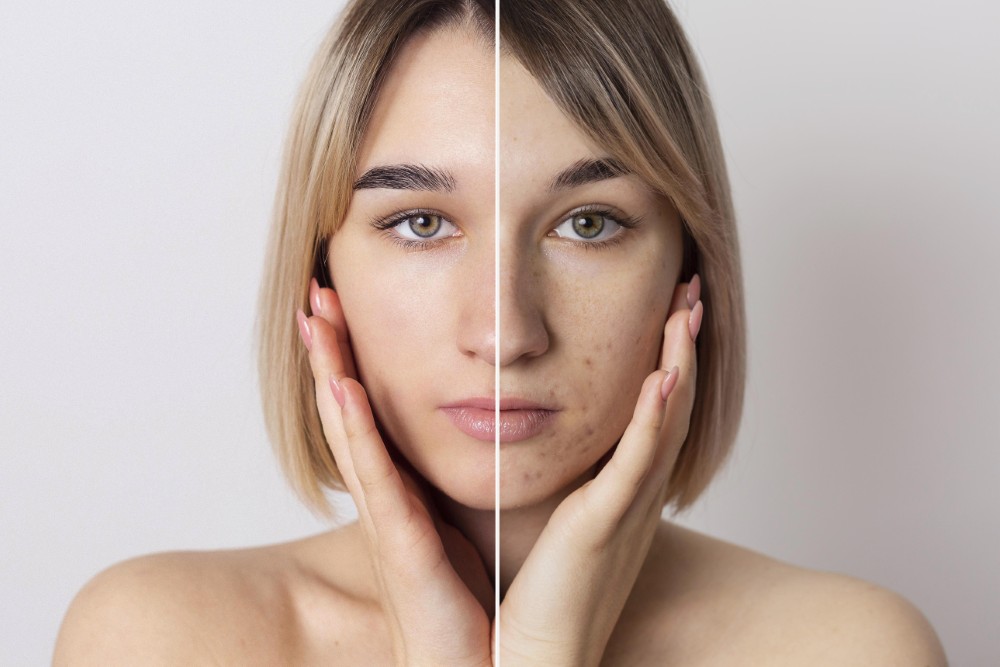
Melanotan II may be appropriate for individuals interested in peptide-based approaches related to skin response and broader melanocortin activity.
This may include:
Because of its multi-system activity, careful evaluation is important before use.
In a medically supervised setting, Melanotan II may be used to help address:
Melanotan II is most appropriate when used within a structured and clinically guided framework.

When used appropriately, Melanotan II may offer several effects:
Higher melanin levels may influence how the skin reacts to UV light.
Some individuals experience changes in hunger patterns.
Melanotan II may affect pathways beyond pigmentation due to receptor activity.
Before considering peptide-based support, it’s important to address foundational factors:
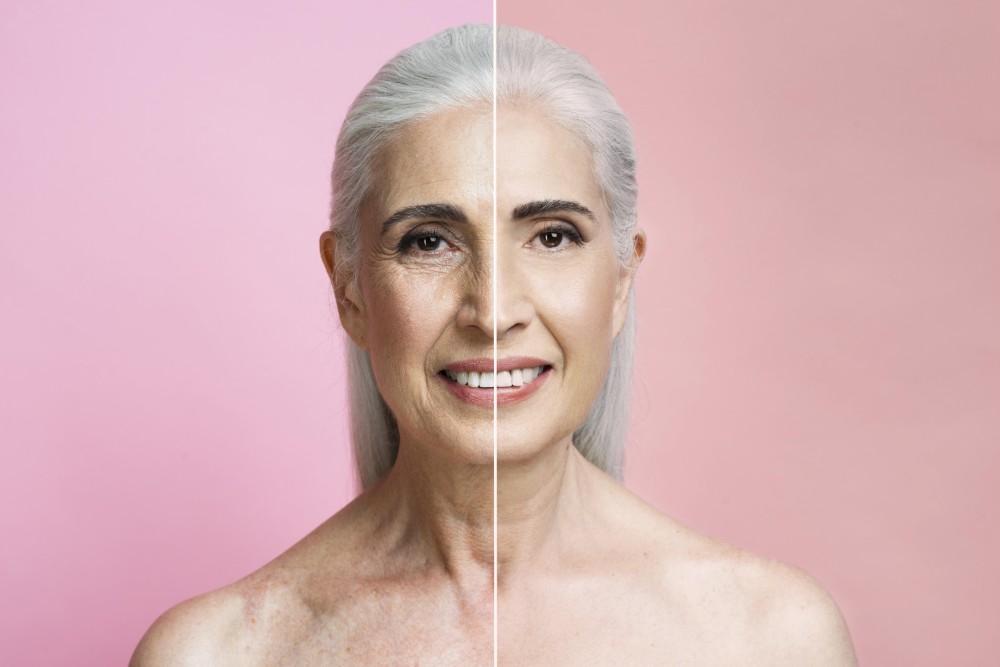

Skin response to sun exposure is influenced by complex biological pathways, particularly those involving melanin production and melanocortin signaling.
Melanotan II interacts with these systems in a way that extends beyond surface-level effects, making it important to approach its use with a clear understanding of both its benefits and broader physiological impact.
At Philadelphia Center for Anti-Aging, we evaluate Melanotan II within a clinical framework that prioritizes safety, personalization, and long-term outcomes.
If you’re considering a peptide-based approach to influencing skin response or exploring its broader effects, schedule a consultation to determine whether this option aligns with your goals.

If you’re ready to feel stronger, leaner, and more energized. We’re ready to help.