
Weight gain refers to an increase in body fat, body weight, or changes in body composition that occur when metabolic regulation becomes less efficient.
Weight gain refers to an increase in body fat, body weight, or changes in body composition that occur when metabolic regulation becomes less efficient. While short-term fluctuations are normal, persistent or unexplained weight gain often reflects underlying hormonal or metabolic imbalance.
Body weight is influenced by more than calorie intake. It depends on:
When these systems lose coordination, the body may store fat more easily — particularly around the midsection — even when diet and activity have not changed significantly.
Many patients describe weight gain as:
At Philadelphia Center for Anti-Aging, we view weight gain as a metabolic signal — not a failure of discipline. In adults 30–65, it is often tied to hormone shifts, insulin resistance, stress physiology, and changes in body composition.
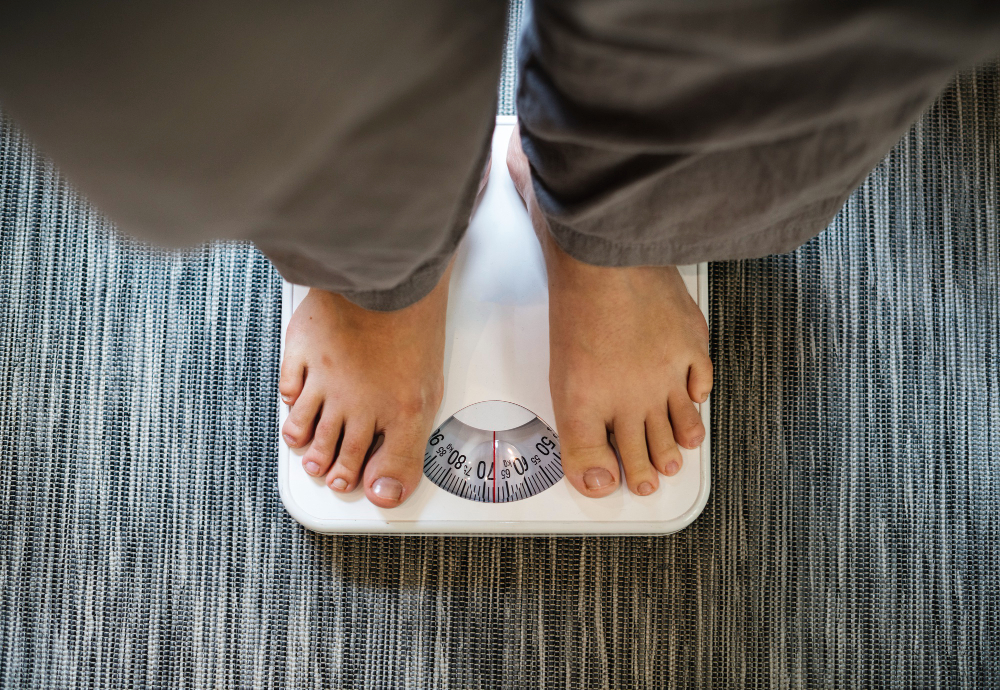

Weight gain develops when hormonal signaling and metabolic efficiency decline.
Common contributors include:
From a clinical perspective, insulin regulates how the body stores and uses energy. When insulin sensitivity decreases, fat storage increases. Testosterone and estrogen influence fat distribution and muscle preservation. Thyroid hormones regulate metabolic rate. Cortisol promotes abdominal fat storage when chronically elevated.
When these systems fall out of balance, weight gain becomes easier and fat loss becomes harder.
The goal is not extreme dieting.
The goal is restoring metabolic efficiency.
Weight gain is often accompanied by other signs of metabolic change.
Common signs include:
Many patients say:
These are common signs that metabolic and hormone systems may need evaluation.

Before seeking medical treatment, there are foundational strategies that support metabolic health:
Adequate protein helps preserve muscle mass and stabilize blood sugar.
Muscle mass supports insulin sensitivity and metabolic rate.
Poor sleep increases hunger hormones and cortisol.
These contribute to insulin spikes and fat storage.
Chronic stress promotes abdominal fat accumulation.
If you’ve been consistent with these habits and still feel stuck, structured medical evaluation may be appropriate.

At Philadelphia Center for Anti-Aging, weight management is built on data — not guesswork.
Depending on your evaluation, options may include:
Weight gain is rarely caused by one factor alone. Treatment must be personalized and medically supervised.
We test, measure, and adjust based on objective findings.
For over 20 years, we have helped men and women throughout the Philadelphia area improve metabolism, reduce excess body fat, and restore confidence through structured, physician-guided care.
We review diet history, lifestyle, stress levels, sleep patterns, and goals.
We evaluate hormones, thyroid function, metabolic markers, insulin resistance, and inflammation.
We explain why weight gain is occurring — not just how to restrict calories.
Your plan is tailored to restore metabolic balance and improve body composition safely.
We monitor progress, adjust treatment, and ensure long-term sustainability.
Weight gain is not something you simply have to accept.
When addressed at the hormonal and metabolic level, fat loss becomes more predictable, energy improves, and confidence returns.
At Philadelphia Center for Anti-Aging, we focus on sustainable results — so you can feel stronger, leaner, and more in control again.
If you’re ready to feel stronger, leaner, and more energized. We’re ready to help.