
Low libido describes a persistent decrease in sexual desire, interest, or motivation that differs from your normal baseline.
Low libido describes a persistent decrease in sexual desire, interest, or motivation that differs from your normal baseline. While fluctuations are common during periods of stress or life change, ongoing low libido often reflects hormonal or metabolic imbalance.
Sexual desire depends on coordinated function between:
When one or more of these systems becomes dysregulated, sexual interest and responsiveness can decline.
Many people describe low libido as:
At Philadelphia Center for Anti-Aging, we view low libido as a physiological signal — not simply stress, aging, or relationship dynamics. In adults between 30 and 65, it is often closely tied to hormone shifts and metabolic changes that can be measured and addressed.
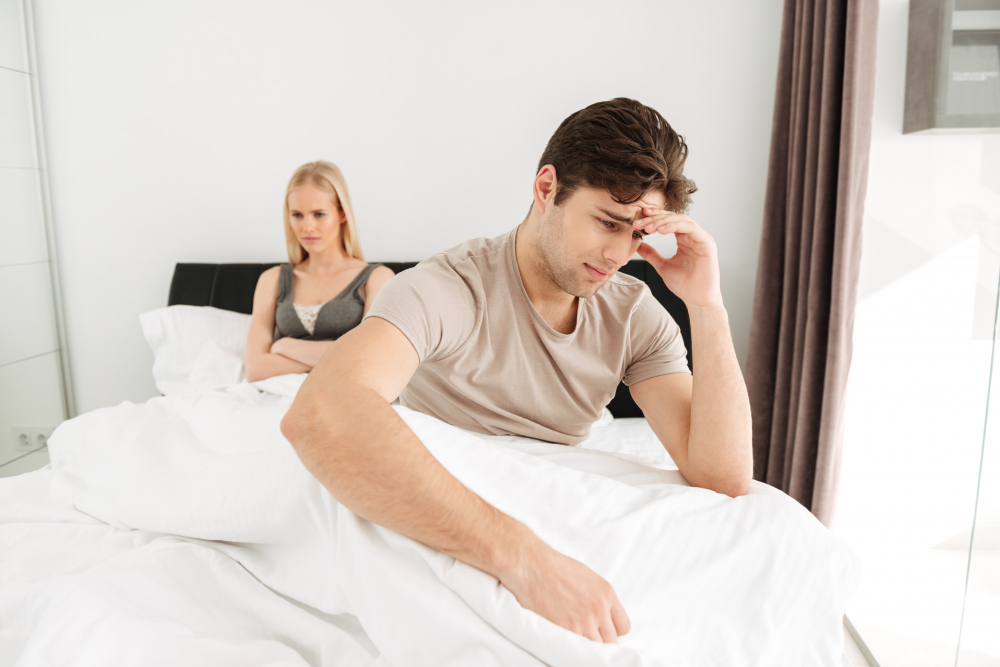

Low libido develops when hormonal signaling, stress regulation, or metabolic health becomes impaired. Desire is influenced by both physical and neurological factors.
Common contributors include:
From a clinical perspective, testosterone plays a central role in sexual desire for both men and women. Estrogen influences vaginal health and responsiveness in women. Thyroid hormones regulate energy and motivation. Cortisol, when chronically elevated, suppresses sex hormone production.
When these systems fall out of balance, libido often declines — even if emotional connection remains strong.
The issue is rarely “in your head.” It is often biochemical.
Symptoms may develop gradually and often overlap with other signs of hormone imbalance.
Common signs include:
Many patients say:
These are signs that hormone balance, stress physiology, or metabolic health may need evaluation.

Supporting libido begins with improving overall hormonal and metabolic health.
Poor sleep lowers testosterone and increases cortisol.
Resistance training supports hormone production and confidence.
Chronic stress suppresses sex hormones and reduces desire.
Excess visceral fat contributes to hormone imbalance.
Alcohol can blunt sexual responsiveness over time.
If libido remains low despite these efforts, deeper biological evaluation may be appropriate.

At Philadelphia Center for Anti-Aging, treatment focuses on restoring hormone balance and improving overall vitality — not masking symptoms.
Depending on your biology, options may include:
Our process emphasizes clarity, discretion, and long-term improvement:
We explore desire patterns, energy levels, sleep quality, stress load, and hormone transitions.
We evaluate hormone levels, metabolic health, inflammatory markers, and recovery capacity.
We explain how biological changes are affecting desire and responsiveness.
Your plan is designed to restore balance, improve energy, and support healthy sexual function safely.
As your body responds, your strategy evolves to maintain progress.
At Philadelphia Center for Anti-Aging, low libido is not something to ignore or simply accept.
It is often a sign that hormone balance and metabolic health need attention.
With proper testing and personalized medical care, it is possible to restore desire, improve vitality, and feel more like yourself again.
If you’re ready to feel stronger, leaner, and more energized. We’re ready to help.