
Hair loss describes progressive thinning or shedding of hair that exceeds normal daily turnover.
Hair loss describes progressive thinning or shedding of hair that exceeds normal daily turnover. While some shedding is expected, noticeable thinning, receding hairlines, or widening parts often signal underlying hormonal or metabolic changes.
Hair growth depends on:
Hair follicles are highly sensitive to hormone shifts and metabolic stress. When these systems become dysregulated, the hair growth cycle shortens and shedding increases.
Many people describe hair loss as:
At Philadelphia Center for Anti-Aging, we view hair loss as a biological signal — not just a cosmetic issue. In many adults, especially between 30 and 65, it reflects measurable hormone imbalance or metabolic stress.
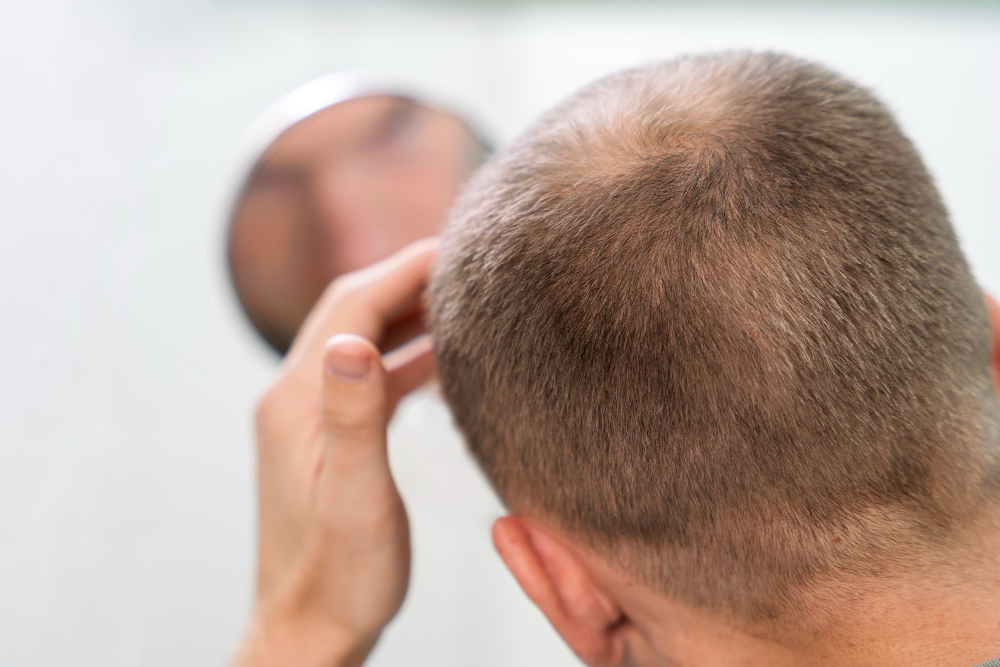
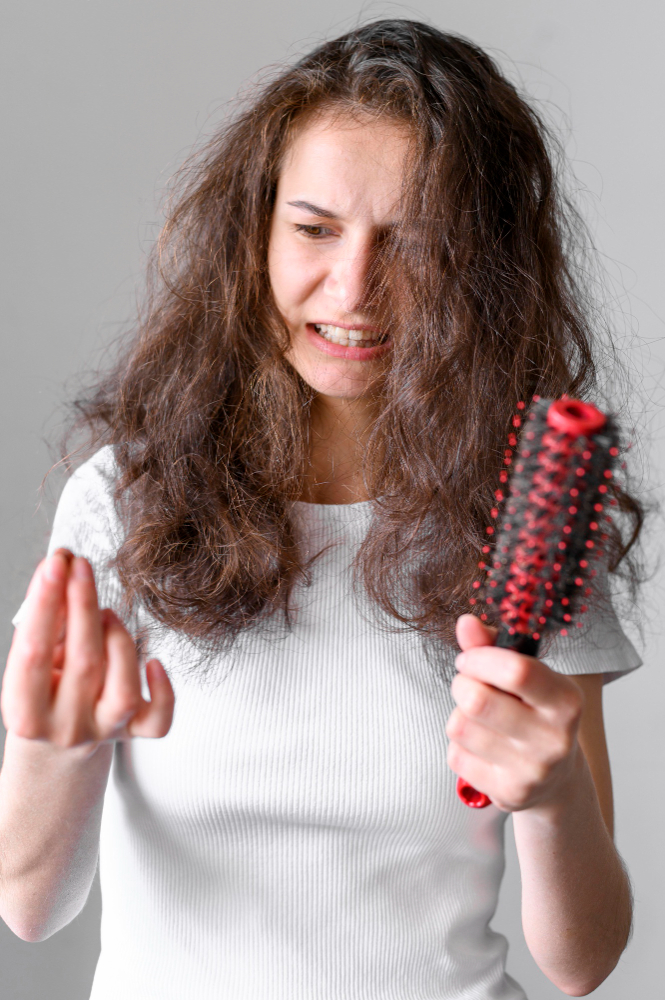
Hair loss develops when hormonal signaling, nutrient delivery, or inflammatory balance becomes impaired.
Common contributors include:
From a clinical perspective, hair follicles cycle through growth (anagen), transition, and shedding phases. Hormone imbalance — particularly involving testosterone, estrogen, thyroid hormones, and cortisol — can shorten the growth phase and accelerate shedding.
Inflammation and metabolic instability further reduce follicle resilience.
The issue is often internal, not external.
Symptoms may develop gradually and are often accompanied by other hormonal changes.
Common signs include:
Many patients say:
Hair changes often overlap with thyroid dysfunction, testosterone decline, estrogen shifts, and metabolic stress.
These patterns deserve evaluation — not guesswork.
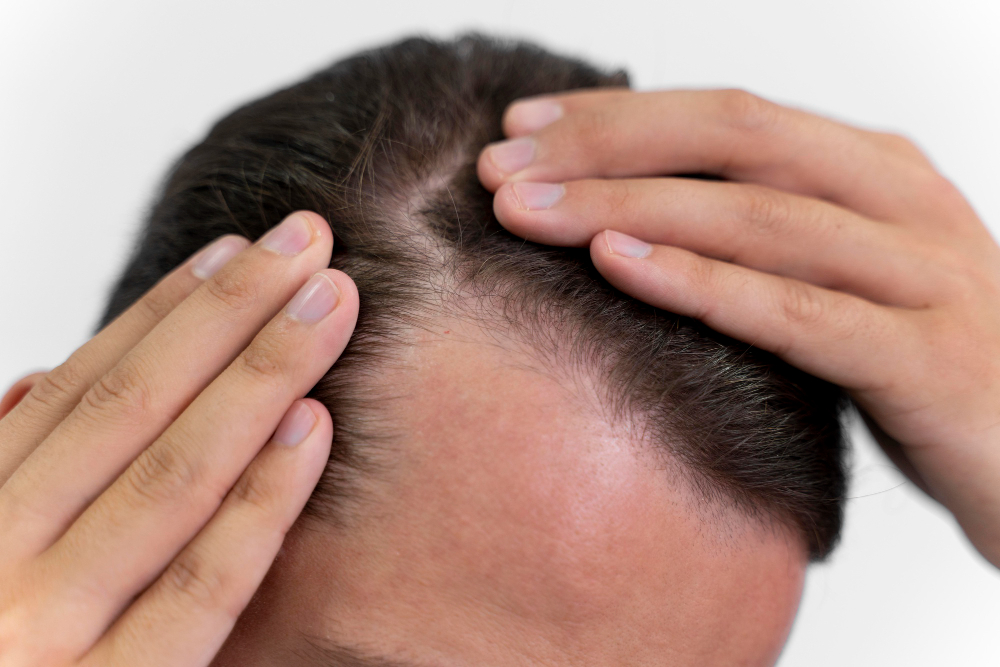
Supporting hair health begins with stabilizing internal balance.
Rapid weight loss can trigger temporary shedding.
Hair growth requires adequate dietary protein.
Chronic stress elevates cortisol, which can disrupt hair cycles.
Hormone regulation depends on restorative sleep.
Excessive heat or chemical treatments can worsen breakage.
If thinning continues or worsens, laboratory evaluation is appropriate.
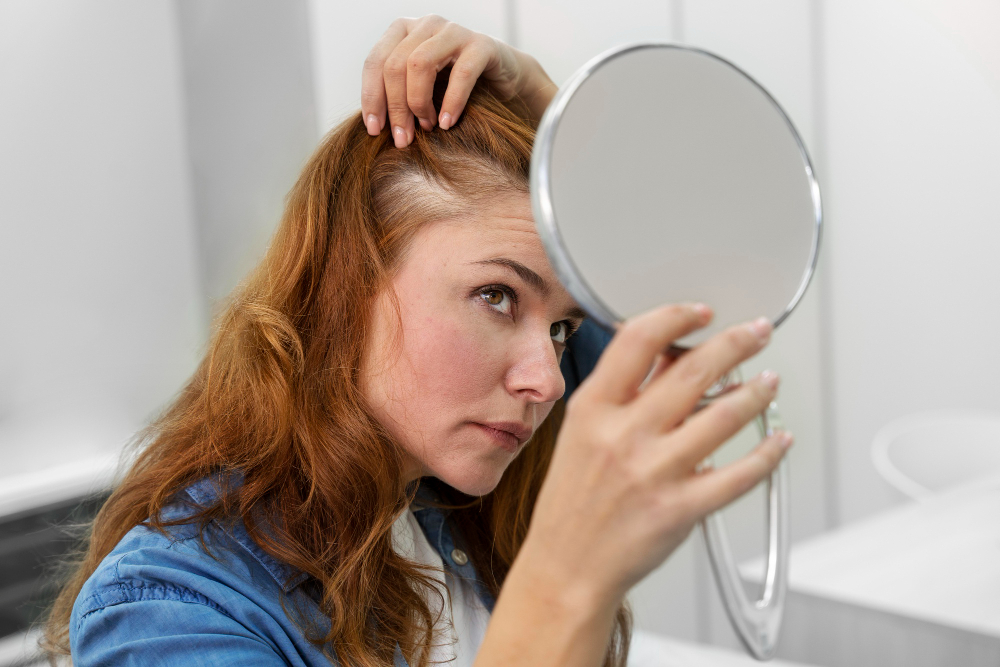
At Philadelphia Center for Anti-Aging, treatment focuses on identifying and correcting internal contributors to hair thinning.
Depending on your evaluation, options may include:
Hair loss is rarely caused by one factor alone. Treatment must be personalized and medically supervised.
We test, measure, and build a plan based on objective data.
For over 20 years, we have helped men and women throughout the Philadelphia area address hormone imbalance and metabolic dysfunction that contribute to hair thinning.
Our process emphasizes clarity and measurable improvement:
We assess the timeline of hair loss, stress patterns, hormone transitions, and metabolic health.
We evaluate testosterone, estrogen, thyroid function, metabolic markers, inflammation, and nutrient status.
We explain how hormonal and metabolic changes are affecting hair growth cycles.
Your treatment plan is designed to improve internal balance and support healthier hair growth safely.
We monitor progress and adjust your plan as your physiology improves.
At Philadelphia Center for Anti-Aging, hair loss is not dismissed as “just genetics” or “just aging.”
You don’t have to accept thinning hair without understanding why it’s happening.
With proper evaluation and personalized medical care, it is possible to support stronger growth, improve density, and restore confidence.
If you’re ready to feel stronger, leaner, and more energized. We’re ready to help.